Build a Global Finance Career with Association of Chartered Certified Accountants (ACCA Course)

Having guided 300+ students to global ranks, we know exactly what it takes to clear ACCA at the highest level. Focus on your studies – pay once, and if you need to resit any paper, you return to class at no additional cost.

Become a Globally Recognized Finance Professional with ACCA

What is the Association of Chartered Certified Accountants Qualification?

The ACCA (Association of Chartered Certified Accountants) qualification is one of the world’s most respected credentials in finance and accounting. Recognised in over 180 countries, it equips students with the technical skills, commercial insight, and professional ethics required to excel in accounting, auditing, taxation, financial management, and consultancy.

Global Career Opportunities

ACCA not only opens doors to international careers with over 7,200 employers in 180 countries.

Progressive Curriculum

In today’s dynamic world, staying ahead requires upgraded skills that prepare the next generation.

Flexible Learning Path

Whether you are a student or a working professional, ACCA offers the flexibility to choose when to begin your qualification.

Earn 8-12Lakhs/Year in 3 years

Within just three years of becoming an affiliate, you can significantly boost your earning potential.

How You Benefit from Learning at GLOBALFTI

Whether you’re a startup looking to personalize user experience or an enterprise aiming to detect fraud in real time, our AI-driven systems provide the intelligence and flexibility you need to scale

Qualified Faculty

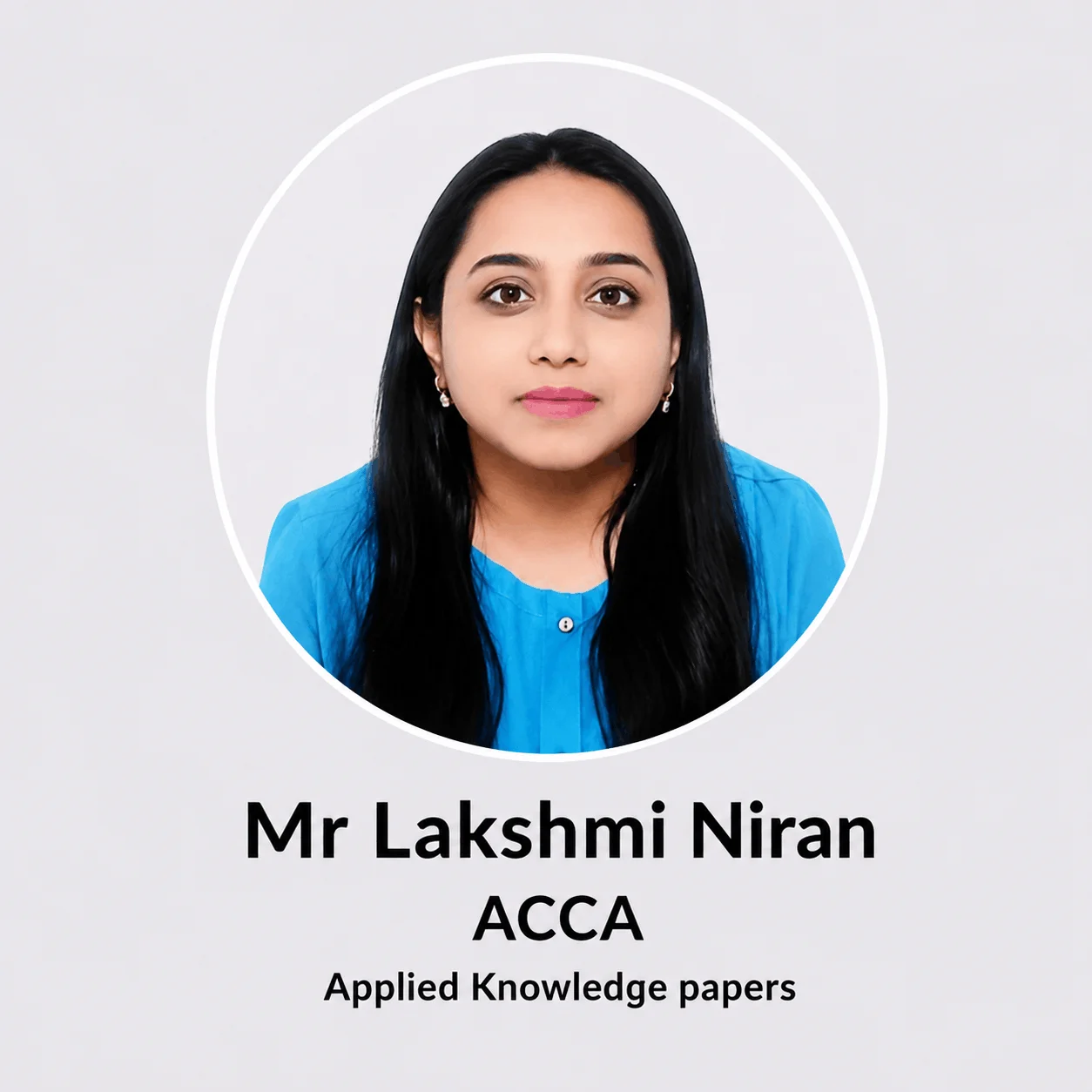
ACCA-qualified faculty with active industry experience teach the papers they have cleared. They know the examiner tendencies, the common failure patterns, and the preparation approach that produces results.

Lifetime Placement Support

Our alumni and industry network ensures your career growth beyond qualification. Interview preparation, resume workshops, and access to GlobalFTI’s network of ACCA-employing organisations.

10,000+ Students Trained

10,000+ students have trained with GlobalFTI since 2007. They include BCom students from our 40+ partner institutions across India, professionals across industry sector, and international students studying remotely.

Pass Rates Above the ACCA Global Benchmark

Globalfti’s ACCA pass rates are verified by ACCA’s own Platinum ALP audit process. We do not publish a single aggregate pass rate number because the honest answer is paper-level data. Confirm the specific figures with our faculty in free demo session.

Karnataka's First Platinum For ACCA Provider

Globalfti offers internationally recognised ACCA pathways with expert mentorship, integrated learning, and industry-focused preparation. The highest recognition awarded by the  ACCA for excellence in training and student support.

Pay Once. Study Until You Pass.

Globalfti students pay their coaching fee once. If they need to re-sit a paper, they return to the relevant batch at no additional tuition cost. We do not benefit from your failure. We benefit from your pass. Your success is our long-term commitment.

Your ACCA Success Starts at GLOBALFTI

At GLOBALFTI, we combine expert faculty, structured learning, personalized mentoring, and exam-focused training to help students confidently progress through their ACCA qualification and achieve their global career aspirations.

+
Years Operating
0 +
Students Trained
0 +
Global Rank Holders
0 +
Countries
At Globalfti, we have been preparing students for ACCA since 2007. As an ACCA Platinum Approved Learning Partner (Face to Face) - the highest tier ACCA awards to any coaching provider - our results are independently audited and consistently above the global benchmark.

ACCA Course Structure 13 Papers Across 3 Levels

Financial Accounting (FA)

The ACCA paper on Financial Accounting starts from the basics of accounting, such as double-entry accounting, financial statements, laws of financial accounting, profit and loss, balance sheet, cash flow, principles of accounting, etc. In ACCA subjects, a Financial Accounting paper is short-coded as FA.

Topics covered

  • Principles of financial accounting
  • Double-entry accounting methods use
  • Financial reporting basics
  • Journal, Ledger, Trial balance preparation
  • Analysing Income, Cash flow statement, balance sheet, principles of accounting, etc.
  • Financial data and preparation of financial statements

Business and Technology (BT)

ACCA paper on Business and Technology aims to develop an understanding of the modern business environment and the functioning of accounts and finance domains in businesses and provide insight into the principles of efficient management. In ACCA subjects, the Business and Technology paper is short-coded as BT.

Topics covered

  • Organisational structure, leadership, and management in business
  • Business Environmental factors
  • Accounting in business, Accounting functions
  • Accounting and Finance control processes in a business
  • Managing a business, its resources and finances
  • Building efficient teams and business functions

Management Accounting (MA)

ACCA paper on Management Accounting is more of a quantitative-focused subject which makes you learn management decision-making processes, prepare various financial reports for a business and analyse quantitative information. In ACCA subjects, a Management Accounting paper is short-coded as MA.

Topics covered

  • Concept of cost and management accounting
  • Types of costs, behaviour, and goal
  • Fundamentals of business mathematics, spreadsheets
  • Cost Accounting Techniques, Calculations
  • Costing, Budgeting, Planning and Analysis
  • Management Techniques for making decisions

Corporate & Business Law (LW)

This area focuses on foundational concepts of risk management and how risk management can add value to an organization. The broad knowledge points covered in Foundations of Risk Management include the following:

Topics covered

  • Basic risk types, measurement, and management tools
  • Creating value with risk management & Multifactor models
  • Risk governance and corporate governance
  • Credit risk transfer mechanisms
  • The Capital Asset Pricing Model (CAPM)
  • Risk-adjusted performance measurement
  • Data aggregation and risk reporting
  • Financial disasters and risk management failures
  • Ethics and the GARP Code of Conduct
  • Enterprise risk management (ERM)

Performance Management (PM)

This area focuses on basic probability and statistics, regression and time series analysis, and various quantitative techniques useful in risk management. The broad knowledge points covered in Quantitative Analysis include the following:

Topics covered

  • Discrete and continuous probability distributions
  • Estimating the parameters of distributions
  • Population and sample statistics
  • Bayesian analysis
  • Statistical inference and hypothesis testing
  • Measures of correlation
  • Linear regression with single and multiple regressors
  • Time series analysis and forecasting
  • Simulation methods
  • Machine learning

Taxation (TX)

This area focuses on financial products and the markets in which they trade, more specifically, the following knowledge areas:

Topics covered

  • Structures and functions of financial institutions
  • Structure and mechanics of over-the-counter (OTC) and exchange markets
  • Structure, mechanics, and valuation of forwards, futures, swaps, and options
  • Hedging with derivatives
  • Interest rates and measures of interest rate sensitivity
  • Foreign exchange risk
  • Corporate bonds
  • Mortgage-backed securities

Financial Reporting (FR)

This area focuses on valuation techniques and risk models. The broad knowledge points covered in Valuation and Risk Models include the following:

Topics covered

  • Value-at-Risk (VaR) & Expected shortfall (ES)
  • Estimating volatility and correlation
  • Economic and regulatory capital
  • Stress testing and scenario analysis
  • Option valuation & Operational risk
  • Fixed-income valuation and Hedging
  • Country and sovereign risk models and management
  • External and internal credit ratings
  • Expected and unexpected losses

Financial Management (FM)

ACCA paper on Financial Management focuses on an organisation’s management techniques of finances. From sourcing capital to generating profits to the company’s valuation, financial management helps you learn a business’s whole financial life cycle. In ACCA subjects, a Financial Management paper is short-coded as FM.

Topics covered

  • Concepts of financial management
  • Valuation of businesses, parameters
  • Management of the company’s finances and capital
  • Managing the working capital of a business
  • Financial risk analysis for businesses
  • The financial life cycle of a business

Audit And Assurance (AA)

ACCA paper of Assurance and Audit covers the most essential area of chartered accountancy: audit. You learn about the audit process, requirements, guidelines, and how an audit has to be performed for any business. In ACCA subjects, Audit and Assurance paper is short-coded as AA.

Topics covered

  • Principles of Audit, Processes of doing an audit
  • Regulations wrt auditing
  • Areas for auditing, parameters to audit
  • Management of business risk, identifying risks thru audit
  • Quality assurance for a business, processes
  • How to perform audits, how to prepare audit reports

Strategic Business Leader (SBL)

ACCA paper on Strategic Business Leader is more of a management skill subject to build governance in organisational management. It includes risk assessment, ethical framework, professional judgement and values, etc.In ACCA subjects, the Strategic Business Leader paper is short-coded as SBL.

Topics covered

  • Efficient management of an organisation
  • Role and function of governance in the management
  • Ethical framework for professional values and decision making
  • Business strategies and corporate governance
  • Developing policies of internal control and audits

Advanced Taxation (ATX)

ACCA paper of Advanced Taxation is an extension of the Taxation paper at the Skill level. It aims to provide knowledgeable guidance on global tax systems, how they work, and practical use cases of taxation in business through case studies. In ACCA subjects, the Advanced Taxation paper is short-coded as ATX.

Topics covered

  • UK taxation system and how other tax systems have been derived
  • Aspects of the modern tax system
  • Tax effects and how taxes interact, taxes for business
  • Tax planning for business operations
  • International Taxation framework, Customs and other duties
  • Case Studies of complex tax planning systems

Strategic Business Reporting (SBR)

In this ACCA subject, you learn the accountant’s role in terms of professionalism and ethics, the financial reporting framework, financial statement preparation, and work on case studies to develop an understanding of more complex financial reporting issues. In ACCA subjects, Strategic Business Reporting paper is short-coded as SBR.

Topics covered

  • Framework for financial reporting in a business
  • Corporate Governance with Financial Reporting
  • Probable financial reporting issues and their implications
  • Implications of changes in accounting regulations
  • Current developments in accounting and audit and business impact
  • Case studies for complex business reporting environments

Advanced Financial Management (AFM)

ACCA paper on Advanced Financial Management aims at making you a senior finance professional with an advanced understanding of financial markets and financial industry structure and combines the elements of business economics with finance. In ACCA subjects, the Advanced Financial Management paper is short-coded as AFM.

Topics covered

  • Investments for a business, structure of the financial industry
  • Financial and Regulatory ways to Restructuring companies
  • Fund Management, Treasury and advanced risk management
  • Business Finance, Economic environment, Global trades
  • Emerging concepts in finance and financial management

Advanced Performance Management (APM)

ACCA paper on Advanced Performance Management aims at teaching you the skills needed for performance measurement, optimisation and strategic development of companies, including multinational organisations, and integrating economic conditions and external aspects. In ACCA subjects, an Advanced Performance Management paper is short-coded as APM.

Topics covered

  • Performance management techniques
  • Using strategic planning and control models
  • Identify and evaluate design features of performance management systems
  • Strategic performance measurement and optimisation
  • Analysing external factors and economic conditions
  • Case studies of business performance management

Advanced Audit And Assurance (AAA)

ACCA paper on Advanced Audit and Assurance builds combining the Advanced Audit and Assurance and Strategic Business Reporting subjects and teaches to implement them in a real business case. Current issues, exposure drafts and developments in audit, including emerging technologies, also feature. In ACCA subjects, Advanced Audit and Assurance paper is short-coded as AAA.

Topics covered

  • Advanced concepts of audit, regulatory framework
  • Audit of complex financial statements
  • Preparing complex and comprehensive audit reports for business
  • Analytical tools and techniques to interpret audit reports
  • Assurance engagement reporting

ACCA Ethics Module

ACCA Ethics and Professional Skills module is an online self-learning module which takes approximately 15 hours to complete. This is a mandatory part of ACCA Qualification. ACCA Ethics module intends to increase your employability and workplace effectiveness. The learning of this module is done using realistic business simulations to develop many professional skills such as leadership, professional ethics, business communication and commercial awareness.

Practical Experience

ACCA Practical Experience Requirements mandate the learner to have 36 months of relevant experience; only then do they qualify to be an ACCA member. Those without appropriate accounting or finance experience need an internship for 36 months, which should meet the 9 performance goals stated by ACCA for Practical Experience Requirements. These 9 critical skills are mapped to the 13 modules of ACCA.

From ACCA Affiliate to ACCA Member

On completion of all 13 ACCA papers, you receive Affiliate status. To progress to full ACCA Membership, you must complete the Practical Experience Requirement (PER): 36 months of relevant work experience in a finance or accounting role, signed off by an approved supervisor.

Most GlobalFTI students accumulate PER concurrently with their studies if they are already working in finance. For students who enter the job market after clearing their papers, Globalfti’s placement support helps identify roles that qualify for PER sign-off.

Online ACCA Classes

Engaging, adaptable, and outcome-focused online learning built to help you excel in the ACCA program while managing your schedule effectively.

Interactive Sessions

Learn from expert faculty through engaging live sessions with real-time doubt solving and practical insights.

Exam Coverage

Structured preparation for all ACCA papers with a clear study plan to help you stay on track and reach exam-readiness by your session.

Study Resources

Access to ACCA approved study materials, question banks, mock tests, & performance tracking tools for better preparation.

Flexible Learning

Attend live classes or access recordings anytime, making it easy to balance studies with college or work commitments.

Flexible Batches

Weekend batches and flexible timings ensure you can learn without interrupting your academic or professional journey.

Recorded Lectures

Get unlimited access to the recorded classes so you can revise concepts anytime and never miss a topic.

ACCA Body Fees and Globalfti Tuition Fees

Knowledge Level

4 Papers Exemption
70800
49,560
  • You Save Rs.21,240
Discount Price

Skill Level

6 Papers Exemption
106200
66,080
  • You Save Rs.28,320
Discount Price

Professional Level

Rs.15,000/paper
17700
12,390
  • You Save Rs.5,310
Discount Price

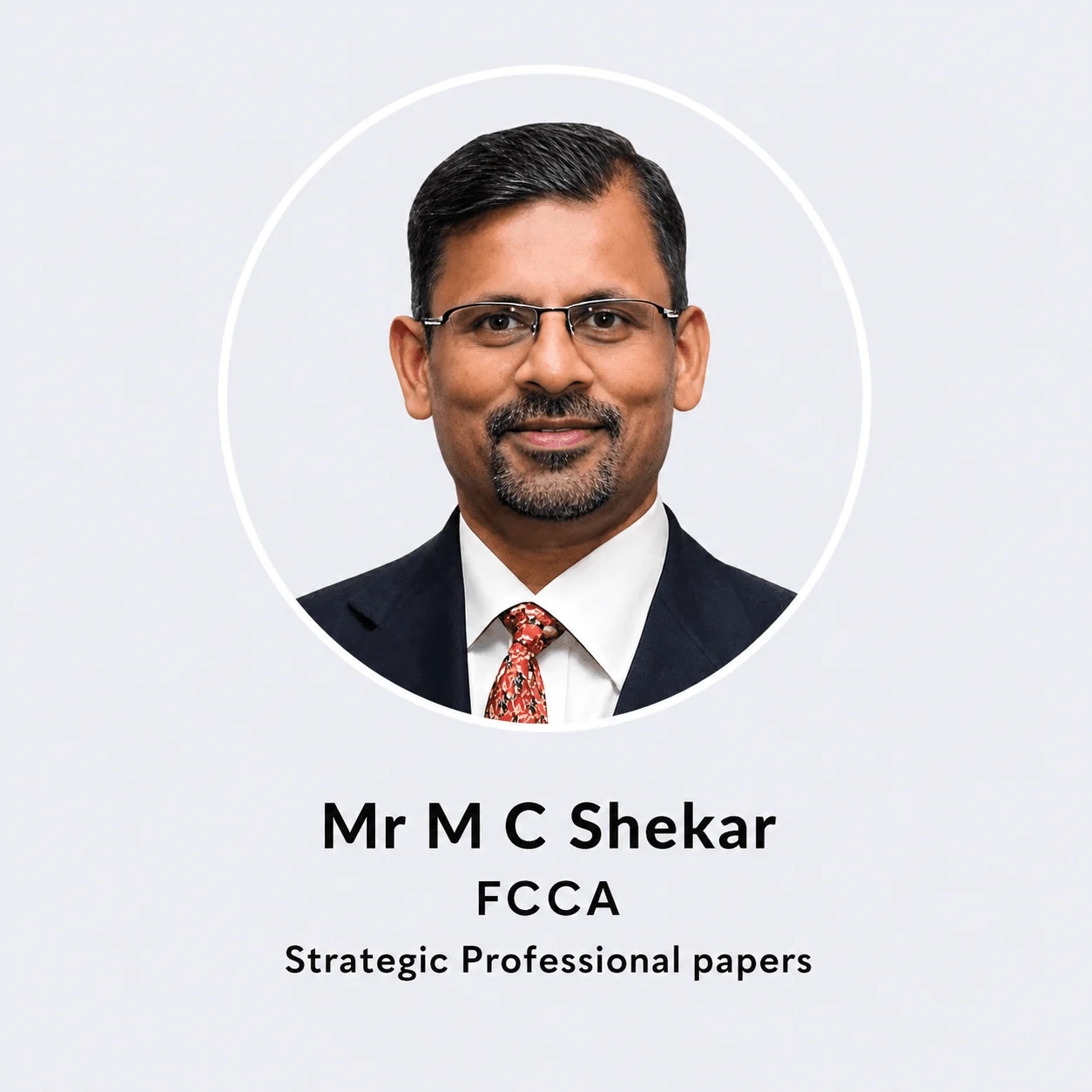
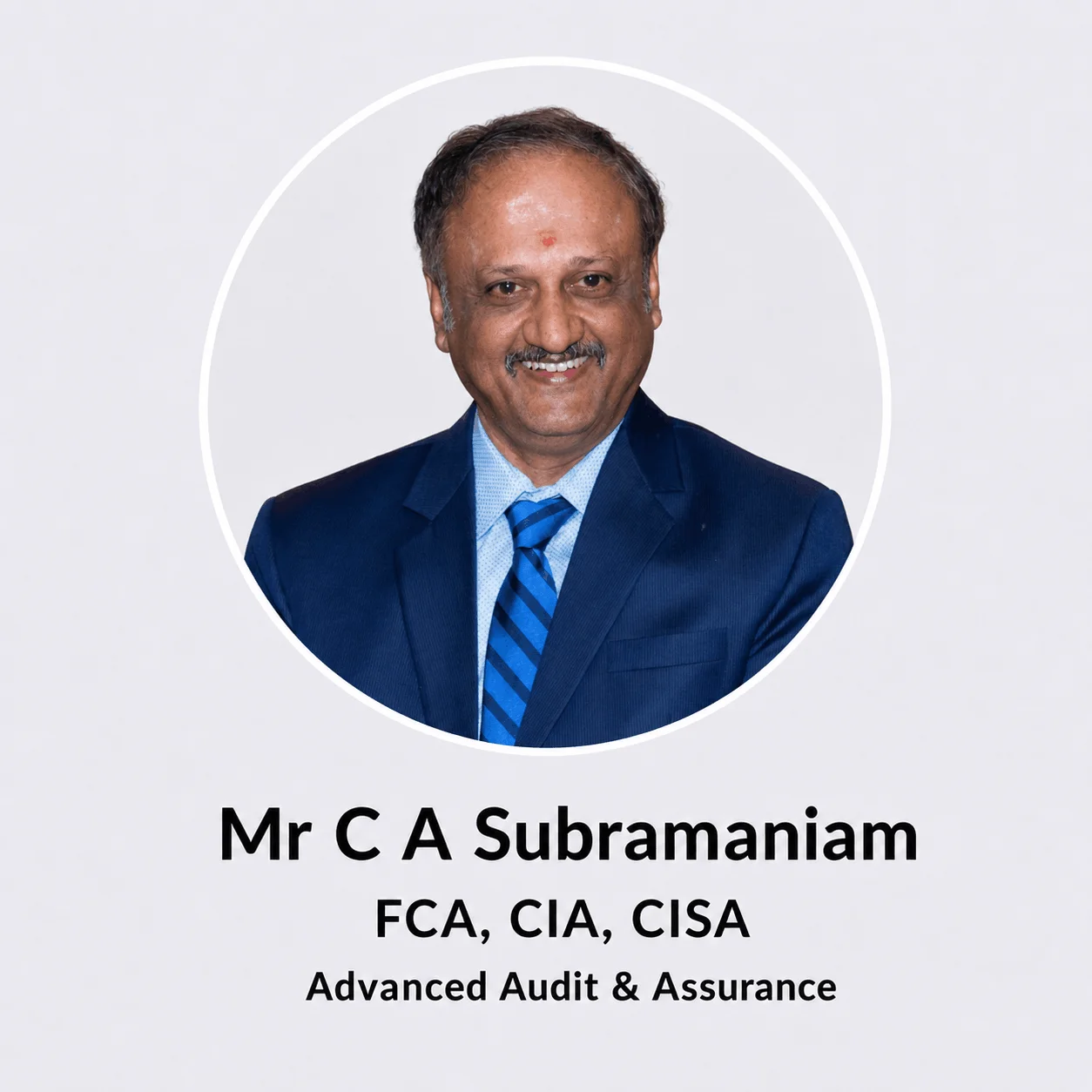
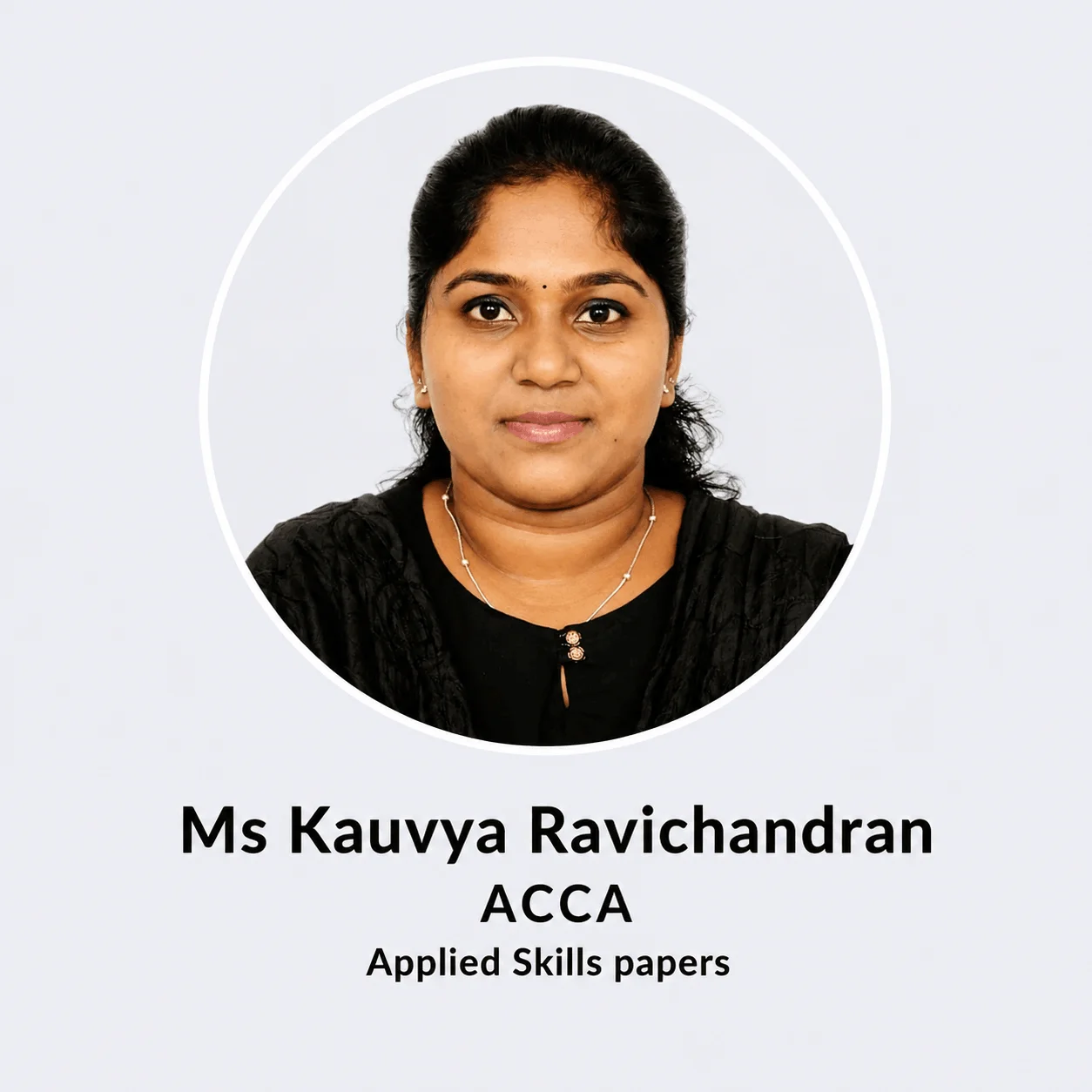
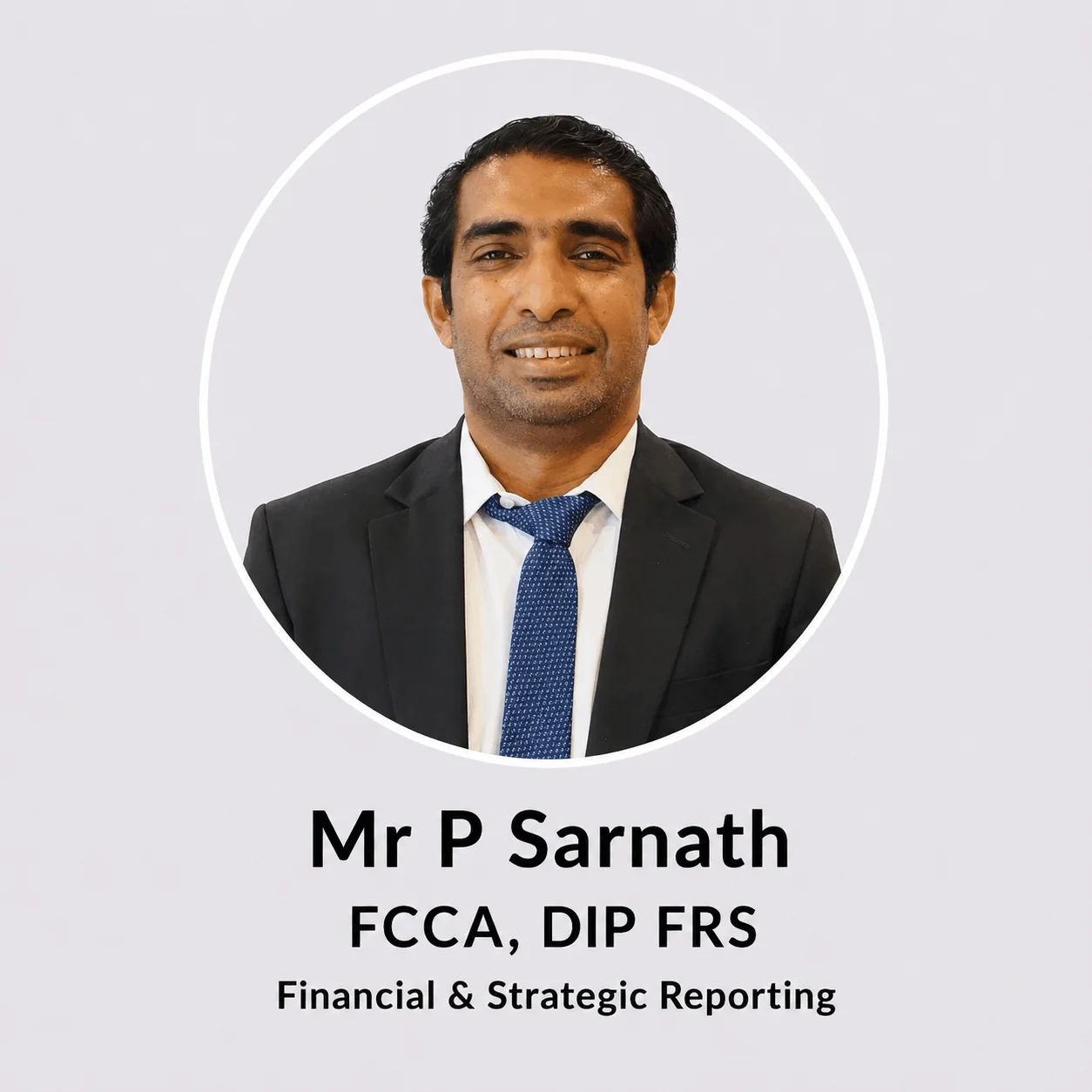
Guided by Professionals.
Built for Global Careers.

At GFTI, our faculty brings together academic excellence and real-world industry expertise to deliver career-focused learning. Guided by experienced professionals, students gain practical insights, global exposure, and mentorship that prepares them for success in today’s competitive world.

Everything You Need to Know About Our Finance Courses

Browse our FAQs for detailed information on programme structure, certifications, assessments, and global career pathways.

ACCA stands for the Association of Chartered Certified Accountants, a global professional body offering the Chartered Certified Accountant qualification. Recognised in over 180 countries, ACCA equips professionals with skills in accounting, auditing, financial management, and business strategy.

The ACCA qualification consists of 13 papers, divided into three levels: Applied Knowledge, Applied Skills, and Strategic Professional. Students progress level by level, although exemptions are available based on prior qualifications.

To begin with, the ACCA syllabus is designed to provide a comprehensive understanding of accounting, finance, and business management. It is structured across various levels, covering both foundational and advanced topics.

To begin with, students who have completed Class 12 can start ACCA, provided they have studied English and Mathematics or Accounts. Specifically, they should have at least 65% marks in two of these subjects and over 50% in the remaining subjects.

To begin with, ACCA exams are certainly challenging, but they are achievable with the right preparation and guidance. Generally, the global average pass rate ranges between 40–50% [1], varying depending on the paper.

As you progress to higher levels like the Strategic Professional, the difficulty naturally increases. However, with a strong study plan and consistent practice, success is very much attainable. In fact, at Globalfti, a Platinum Approved Learning Provider, students consistently achieve pass rates exceeding 70%, reflecting the effectiveness of structured coaching and support.

Yes. Students can begin right after 12th or during/after graduation. Many working professionals also pursue ACCA alongside jobs, thanks to its flexible exam structure.

On average, ACCA takes about 2.5 to 3 years to complete if you pursue it full-time. However, the duration can vary depending on your pace. Since exams are held four times a year, you have the flexibility to plan your schedule. For instance, students with exemptions can finish faster, while those balancing work and study may take a bit longer.

ACCA exams are computer-based and held four times a year (March, June, September, December). They include a mix of multiple-choice questions (MCQs), case studies, and long-form answers to test both technical and application skills.

Students with prior qualifications (like CA, CMA, B.Com, MBA, etc.) may receive exemptions for certain ACCA papers. For example, Indian CAs can directly enter at the Strategic Professional level with upto 9 exemptions. Graduates with B.Com/M.Com degree can get upto 5 exemptions. MBAs & BAs can get upto 2 exemptions.

ACCA is accepted in 180+ countries including the UK, UAE, Singapore, Canada, Australia, and more. Many nations also have mutual recognition agreements, making it easier to work abroad.

What Globalfti Students Say

Students across India are building social innovation, sustainability, and leadership skills through internationally recognised programmes. Hear their stories.

Student Satisfaction Survey: 98% Delighted with Their Results

June 2026 and December 2026 Exam Batches

Classes for the June 2026 exam session are underway. Registrations for the December 2026 exam session are open. Book a free demo session to confirm your entry point, batch format, and available seats.
  • Face to Face Classes: Learn in our state of the art facility guided by expert ACCA faculty.
  • Hybrid Classes: Flexibility to attend the class in person at our centres or remotely from anywhere globally.
  • Online Classes: Be part of the Live class from anywhere in the world.

What are the Job Opportunities After ACCA?

01
Audit and Assurance
  • Internal Auditor / Audit Manager
  • External Audit Associate (Big 4 and mid-tier firms)
02
Accounting and Financial Reporting
  • Financial Accountant / Management Accountant
  • Accounts Payable / Receivable Manager
03
Risk, Compliance and Governance
  • Financial Analyst / Finance Manager
  • FP&A Manager / Treasury Analyst
  • Finance Business Partner
04
Financial Management and FP&A
  • Financial Analyst / Finance Manager
  • FP&A Manager / Treasury Analyst

What are the Industry-Specific Job Roles After ACCA?

Banking and Audit Firms

Credit Analyst, Risk Manager, Financial Advisor, Treasury Analyst, Audit Associate, Tax Consultant, Advisory Analyst

IT and FinTech

Finance Business Partner, Product Analyst, FP&A Manager, Plant Finance Manager, Cost Controller, Management Accountant

Consulting And Advisory

Strategy Consultant, Financial Consultant, Transaction Services Analyst, Compliance Officer, Risk Analyst, Internal Auditor

Explore ACCA Pathways With Industry Experts

Ready to take the next step towards a global finance career? Our ACCA experts are here to guide you through course selection, college pathways, exemptions, career opportunities, and everything you need to start with confidence. Get personalised guidance tailored to your goals and academic background.

Subscribe to Our Newsletter

Your personal details are strictly for our use, and you can unsubscribe at any time.